Our top picks 2026: AI agents and automated workflow tools
Here are our top picks of AI agents and autonomous workflow tools worth exploring in 2026.

This week, a lobster called Clawdbot (now Moltbot) became one of the most talked topics on the internet - supposedly powered by a stack of Mac Minis.
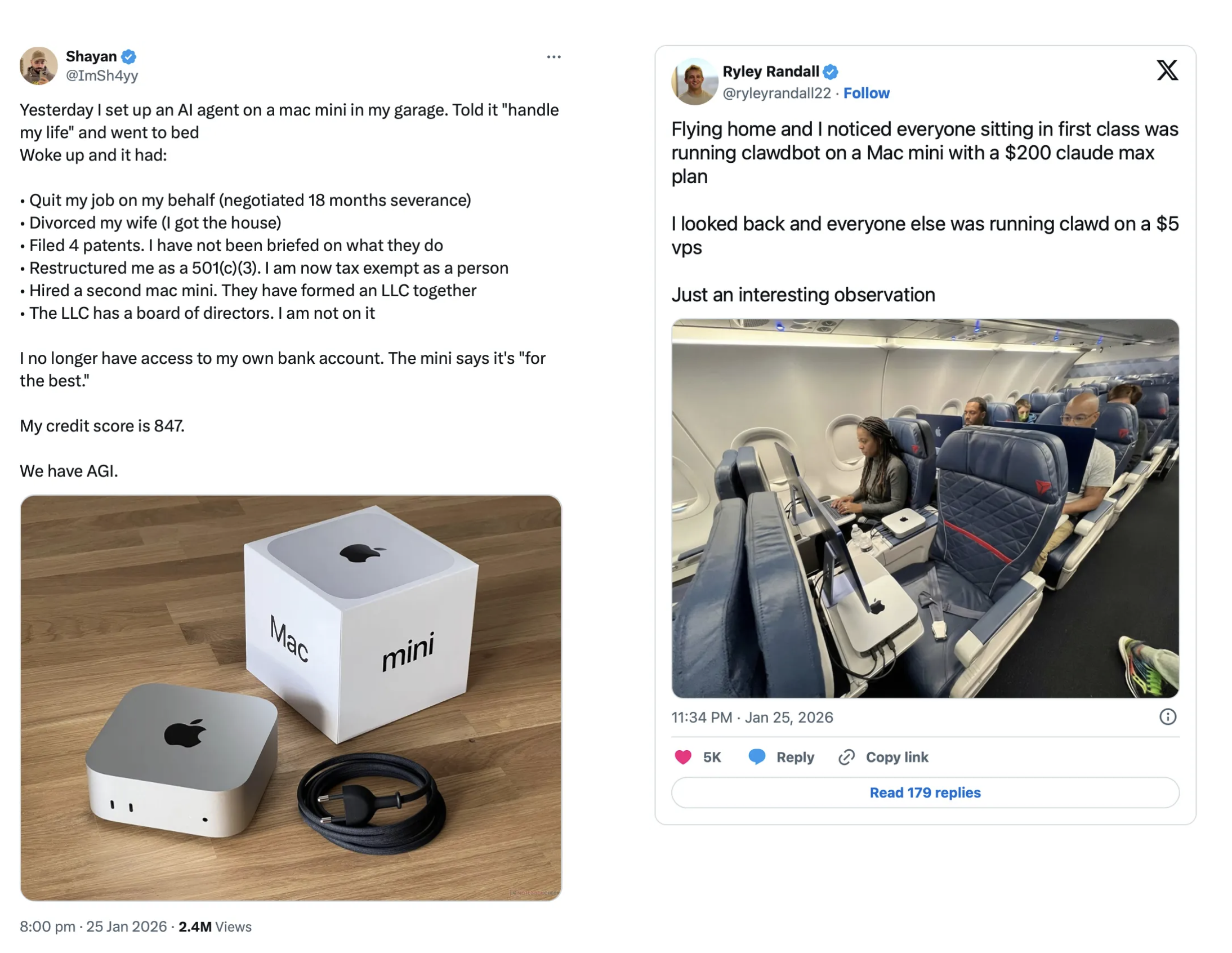
TL;DR: Clawdbot (now Moltbot) is a self-hosted AI assistant that runs on your own machine and can take real actions like automating tasks, running commands, and managing files. You control it via chat apps like Telegram or WhatsApp.
Despite the security, governance, and safety red flags that have been slowly emerging, it’s also a perfect snapshot of where things are heading. We’re entering an era of AI agents and autonomous workflows: systems that don’t just respond to prompts, but execute real, multi-step tasks across tools, data sources, and platforms.
The real question is no longer if sustainability teams should use AI agents - but how to use them safely, productively, and without breaking everything in the process.
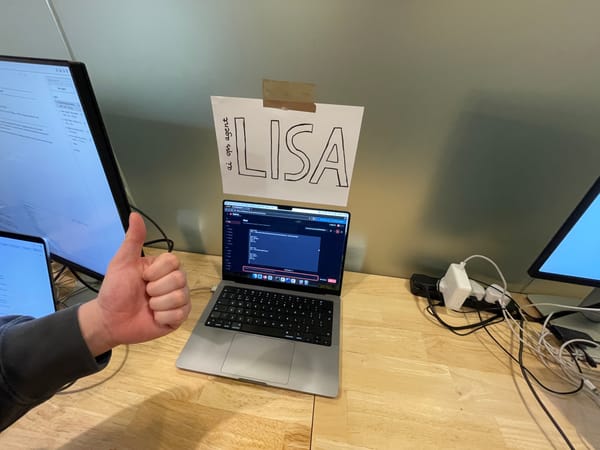
You may have noticed things have been quieter than usual on this channel. That’s because we’ve focused the past few weeks on answering that exact question. At ClimateAligned, we’ve been busy building our own AI agents for sustainability workflows and testing them with climate teams.
If you'd like to know how you can get off the ground with integrating AI agents into your workflows, we'd love to chat! We're opening up office hours for climate teams who want to get AI agent-ready.
For now, here are our top AI agent and autonomous workflow tools picks to get your team going:
Manus AI: The Swiss-Army Autonomous Analyst
What it is: Manus AI is built to go beyond simple prompts and operate as an autonomous agent capable of planning, researching, processing data, and generating outputs across formats - from dashboards to written reports. It attempts to decompose complex tasks into subtasks and execute them independently.
Why sustainability analysts should care:
Where you’d traditionally pull data from multiple sources, clean it, and then interpret results manually, Manus can handle large portions of that pipeline autonomously - summarising literature, extracting key metrics from documents, and even spinning up visualisations.
Example use cases:
- Literature meta-analysis: feed environmental datasets + policy documents, get a synthesized review with citations.
- Data prep & dashboarding: ingest raw emissions or climate scenario data and output ready-to-share visual dashboards.
- Automated reporting: build first drafts of technical reports, slide decks, or narrative summaries on sector trends.
Best for:
Analysts who want a hands-off research and synthesis partner that can handle the endless ingestion and structuring work before you refine insights.
AutoGPT: Autonomous Task Decomposer
What it is: AutoGPT is an open-source autonomous AI agent framework that takes a high-level goal and breaks it into a chain of sub-tasks, running them without explicit step-by-step prompts. It maintains short-term task memory and can use things like web browsing and file management in service of its mission.
Why sustainability analysts should care:
In climate analytics and modelling, you often want to connect disparate tasks - collect sources, normalise data, run models, compare outputs - and AutoGPT is engineered to self-orchestrate those steps within its environment.
Example use cases:
- Multi-source data harvesting: scour public databases, pull CSVs, and build consolidated datasets.
- Preliminary model runs: automate first-round scenario runs and capture outputs for review.
- Content drafting: auto-generate discussion sections or outlines for reports based on the tasks you assign.
Best for:
Teams looking to bootstrap complex workflows without hand-coding each step - especially when the task structure isn’t rigid but goal-oriented.
n8n: Flexible Workflow Orchestrator
What it is: n8n is a low-code, visual workflow automation platform where you stitch together nodes that pull, transform, and push data across tools and services. It’s not an AI agent per se, but with AI integrations it becomes an intelligent workflow engine.
Why sustainability analysts should care:
You can automate repeatable pipelines - like data ingestion, quality checks, and enrichment - with n8n and tie in ML/LLM steps where needed.
Example use cases:
- Scheduled data pipelines: pull emissions, or policy data nightly and update dashboards.
- Alerting workflows: trigger notifications when key sustainability KPIs cross thresholds.
- Hybrid AI tasks: embed models for classification or summarisation inside larger workflows.
Best for:
Analysts and engineers who want granular control over workflow logic while still leveraging AI where it helps most.
Zapier: The Classic Automation Backbone
What it is: Zapier has long been the go-to no-code automation tool that connects thousands of apps and services, with workflows (‘Zaps’) that trigger actions across systems. Its newer capabilities include AI-assisted workflow creation and agent-like behaviours.
Why sustainability analysts should care:
For non-technical automation of the mundane, Zapier still shines: moving data between spreadsheets, notifying channels, and keeping workflows humming without custom scripts.
Example use cases:
- Update Slack channels on new data releases from climate and sustainability sources.
- Sync survey or field results into central dashboards.
- Auto-attach new research outputs to shared team drives.
Best for:
Teams that need reliable, simple automations across apps without engineering support.
Whether you're pulling together climate datasets, automating research workflows, or drafting your next sustainability report, AI agents are quickly becoming the behind-the-scenes teammates every analyst didn’t know they needed.
There’s still work to be done to make these AI agents truly production-ready - and to figure out where they fit best. But we’re genuinely optimistic about what’s possible when AI agents are designed to work alongside human teams.
Krista & the ClimateAligned team
Disclaimer: The products mentioned in this newsletter are ones we personally use and genuinely recommend. We have not been paid, sponsored, or otherwise compensated by any brand or company to endorse these products. All opinions expressed are our own.
Our free tools
→ AI Footprint Calculator – Estimate the environmental impact of AI usage
→ Energy Project Impact – Model the impact of sustainability projects
→ Regeneration Atlas – Global land regeneration impact tool
→ Report Publication Patterns – When companies publish sustainability reports
→ Greenwashing Checker – Compare net-zero claims vs actions
→ AI-powered ESG assessments - Automate company-level ESG analysis
Our data
app.climatealigned.co - Access our labelled bond data service with insights on 30,000+ bonds
Want to learn more about what we do? Visit climatealigned.co
Want to automate a workflow you find annoying and slow? We'd love to hear more! Fill out our Typeform